
Makar Sankranti 2026 Why January 14 is Special?
Sankranti marks the transition of the Sun from one zodiac sign to another and is considered a symbol of change, growth, and new beginnings. Unlike many festivals that follow the lunar calendar, Sankranti is based on the solar calendar, which makes it fall around the same time every year. The festival mainly celebrates the movement of the Sun into the Capricorn sign, which is believed to bring positivity and prosperity.
Astronomical and Seasonal Significance
Sankranti holds great importance from an astronomical point of view. It marks the beginning of longer days and shorter nights, indicating the end of winter and the start of a new harvest season. Farmers see this time as a reward for their hard work in the fields. The festival reflects a close connection between human life and nature, reminding people to respect and thank natural forces for their support.
Cultural Importance of Sankranti
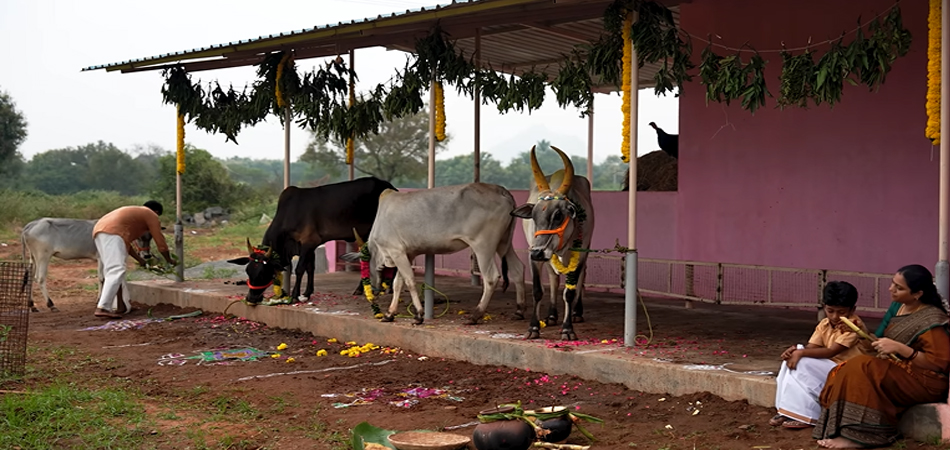
The festival of Sankranti is deeply rooted in Indian culture. It is celebrated under different names in different regions, yet the spirit remains the same. It represents harmony, unity, and gratitude. People forget differences and come together to celebrate joy and abundance. Sankranti encourages sharing food, happiness, and blessings with others, strengthening social bonds.
Rituals and Traditions
Sankranti is celebrated with simple yet meaningful rituals. Early morning baths are considered auspicious, symbolizing purification of body and mind. People decorate their homes with colorful designs and prepare special traditional dishes. Offering prayers to the Sun God is an important part of the celebration, as the Sun is seen as the source of life and energy.
Food and Festive Preparations
Food plays a special role during Sankranti. Traditional dishes prepared during this festival reflect the harvest season and local culture. Ingredients like rice, jaggery, sesame seeds, and lentils are commonly used. These foods are not only tasty but also suitable for the seasonal change. Sharing food with neighbors and relatives spreads happiness and strengthens community relationships.
Kite Flying and Joyful Celebrations
In many regions, Sankranti is associated with kite flying. The sky filled with colorful kites creates a joyful and festive atmosphere. Kite flying represents freedom, happiness, and the human desire to rise higher in life. Children and adults participate with equal excitement, making the festival lively and memorable.
Sankranti and Family Bonding
Sankranti is a time when families come together. Elders bless the younger generation, and traditional values are passed on through stories and rituals. Visiting relatives and exchanging gifts strengthens emotional connections. The festival encourages respect for elders and care for younger ones, promoting harmony within families.
Spiritual Meaning of the Festival
Beyond celebrations, Sankranti has deep spiritual meaning. It symbolizes moving from darkness to light, ignorance to knowledge. The change in the Sun’s position is seen as a reminder for people to improve their thoughts and actions. The festival encourages self reflection, gratitude, and positive living.
Regional Variations of Sankranti
Though the essence of Sankranti is the same, the way it is celebrated varies across regions. Each area adds its own customs, foods, and traditions. This diversity shows the richness of Indian culture while maintaining a shared spiritual foundation. Sankranti becomes a beautiful example of unity in diversity.
Relevance in Modern Times
Even in modern life, Sankranti remains relevant. It reminds people of the importance of nature, agriculture, and simple living. In a fast paced world, the festival encourages slowing down and appreciating life’s basic blessings. It also promotes healthy eating habits and social harmony.
Sankranti as a Festival of Positivity
Sankranti spreads positivity and hope. It marks the start of an auspicious period and motivates people to begin new activities with confidence. The festival teaches that change is natural and necessary for growth. It inspires optimism and resilience in everyday life.
Sankranti is more than just a festival. It is a celebration of nature, culture, and human values. It connects people to the Sun, the soil, and each other. Through rituals, food, and joyful gatherings, Sankranti spreads happiness and gratitude. The festival reminds everyone to welcome change with a positive mind and to live in harmony with nature and society.