
New Horizontal Vivo x300 FE Camera Layout
Vivo is preparing to expand its X300 series with a new model called the X300 FE. Rumors and early leaks suggest that this upcoming phone may feature a new horizontal camera layout, which could set it apart from other devices in the lineup. As smartphone design evolves, changes in camera placement often reflect broader shifts in aesthetics and function. The possibility of a horizontal camera layout raises questions about how Vivo plans to balance style and performance in the X300 FE. This article explores what the new layout might mean for users and how it fits into current smartphone trends.
The Shift From Vertical to Horizontal Camera Design
In recent years, many smartphone manufacturers have adopted vertical camera modules. This stacking arrangement is efficient for housing multiple lenses and sensors and aligns with how many users hold their phones. However, a horizontal layout offers a different visual identity. It can create a wider visual footprint on the back panel and may allow for better separation between camera lenses and sensors. For the Vivo X300 FE, adopting a horizontal layout could signal a design refresh aimed at making the phone visually distinct.
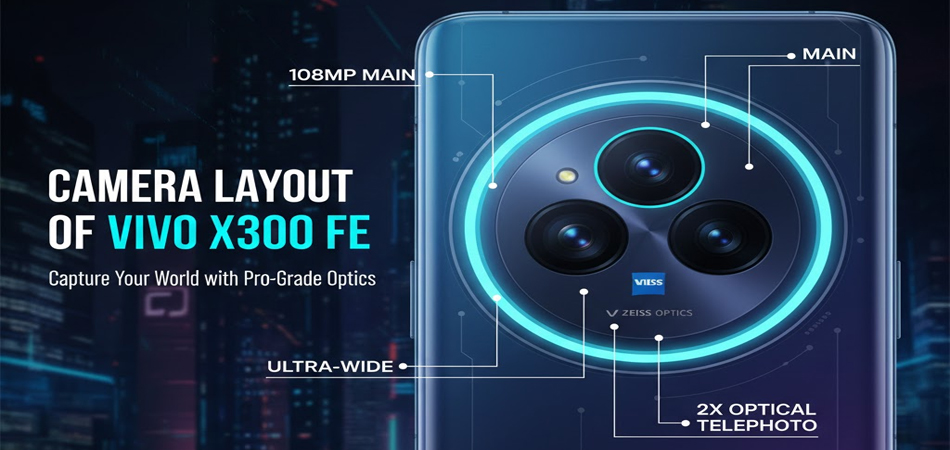
Design changes often reflect user feedback and emerging trends. A horizontal arrangement might attract users who prefer a symmetrical or balanced look rather than the elongated vertical strip seen on most phones. It may also provide more space for additional camera sensors or stabilization hardware, potentially enhancing photographic capability.
Aesthetic Appeal and User Perception
Smartphone aesthetics play a significant role in buying decisions. Users often choose devices that reflect their personal style, and camera design has become part of that expression. A horizontal layout on the Vivo X300 FE could contribute to a fresh and modern look that differentiates it from competitors and even other models in the same lineup.
This change might also reinforce Vivo’s commitment to innovative design. Over the years, Vivo has experimented with various design elements, including curved displays, minimal bezels, and unique camera modules. The X300 FE’s rumored horizontal camera layout continues this exploration and may appeal to users who value design as much as performance.
Potential Benefits for Photography
Beyond aesthetics, a horizontal camera layout could offer functional advantages. Placing camera sensors side by side can allow more room for larger lenses or improved image stabilization hardware. This could enhance photo clarity, especially in low light or high-motion scenarios. It may also create better conditions for multi-lens setups where each lens has sufficient space to function without interference.
Additionally, horizontal camera placement may align better with how users hold phones during photography. When capturing landscapes, group photos, or wide scenes, having lenses arranged horizontally might contribute to a more natural shooting experience. This is particularly relevant as smartphone camera systems become more advanced and offer features like optical zoom, wide-angle capture, and macro photography.
The Role of Camera Technology in the X300 FE
While the layout is a visible change, the underlying camera technology remains crucial. Vivo has a track record of equipping its X-series phones with capable camera sensors, advanced imaging software, and thoughtful features that help users capture better photos with minimal effort. The X300 FE may continue this tradition by pairing the new camera layout with improved sensors, faster autofocus, enhanced image stabilization, and better low-light performance.
As competition in mobile photography intensifies, manufacturers focus not only on hardware but also on computational photography. Software features like scene recognition, night modes, and AI enhancements improve results and make smartphone photography more accessible. If the X300 FE combines a fresh layout with strong technical features, it may appeal to photography enthusiasts and everyday users alike.
Design Harmony with Other Phone Elements
A change in camera layout also needs to fit well with the rest of the device’s design. For the X300 FE, a horizontal camera setup may be complemented by other design features such as material choice, color options, body contouring, and display design. A well-integrated design ensures that the phone looks cohesive and polished rather than awkward or disjointed.
Placement of buttons, fingerprint sensors, and other hardware will also reflect how Vivo balances form and function. Users often appreciate phones that feel comfortable in hand, have intuitive placements for controls, and look appealing from every angle. The horizontal camera layout may influence these decisions, guiding the overall design language of the phone.
Positioning in the Market
The Vivo X300 series is known for combining strong camera performance with stylish design and modern technology. With the X300 FE, Vivo has an opportunity to reinforce this positioning while offering a unique twist through its rumored camera layout. Midrange and premium segments see frequent design experimentation, and phones that stand out visually often capture attention first before users even explore performance metrics.
Depending on pricing and specifications, the X300 FE could attract users who want a balanced combination of style, camera capability, and daily usability. Its success will depend on how well Vivo communicates the value of the design changes and ensures that performance matches user expectations.